
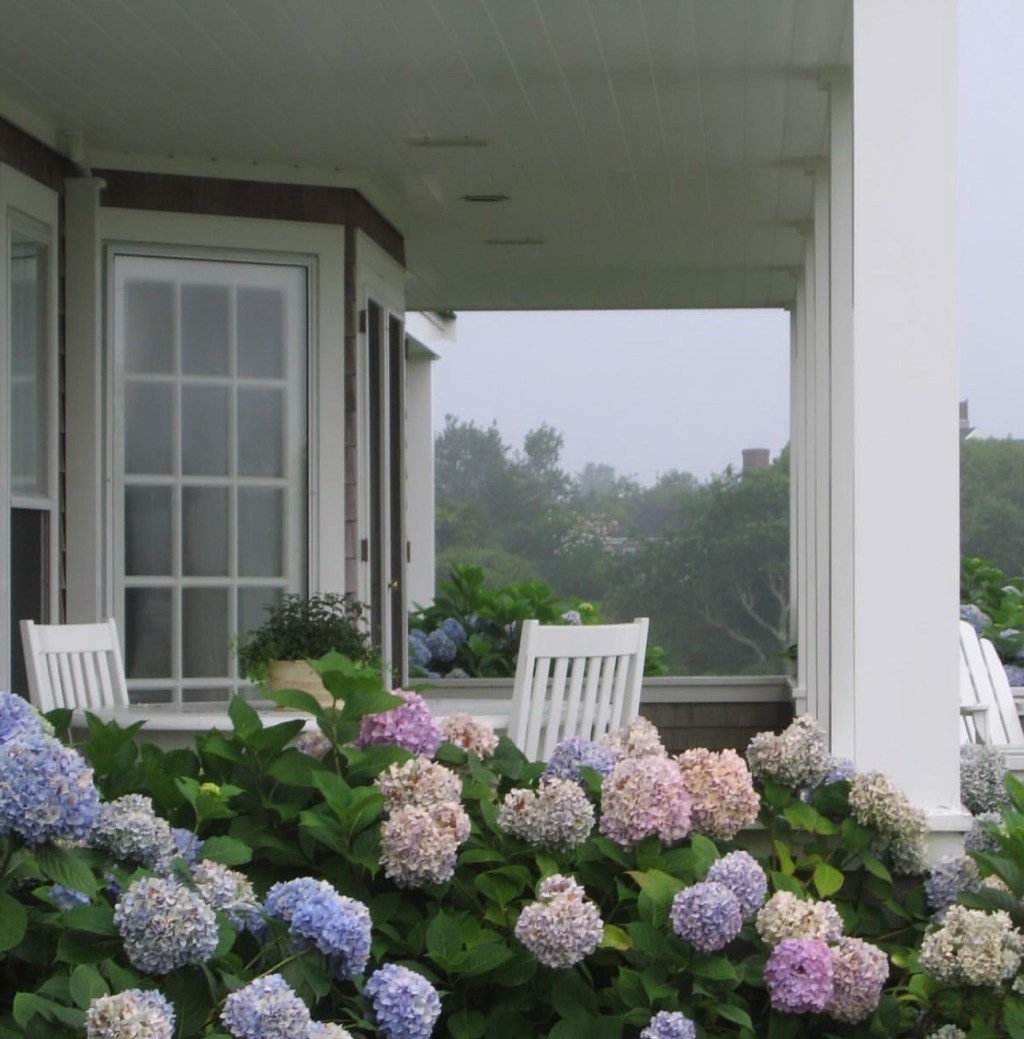
A warm summer morning spilled through the windows, slow, golden. The scent of breakfast clung to the walls: eggs hissing in bacon grease, grits softening like memory, apples sugared into warmth. Chocolate cake from the night before perfumed the house with something more intimate than dessert: permanence.
The floorboards creaked under bare feet as I tiptoed toward the candy bowl, careful to avoid the known squeak near the dining room. Outside, my grandfather swept under the magnolia tree, aligning the yard like it was sacred terrain. Each gesture, raking, straightening, tending, was an unspoken vow: this land is ours.
Back then, I believed it would always be.
But permanence is a story we tell children. Ownership, I’ve come to learn, is not inheritance, it’s currency. And now, the American home is no longer a promise. It’s a product.
The Home as Asset, Not Sanctuary
Over 43 million acres of American farmland are now owned by foreign investors, enough to blanket the state of Iowa. In the residential sphere, one in four single-family homes sold in 2021 went to institutional investors. In some markets, it was one in three. These were not families buying forever homes. These were firms, faceless, offshore, algorithmic, buying assets, not addresses.
The dream of homeownership is no longer delayed. It is dislocated.
A starter home doesn’t exist if it’s purchased sight unseen by a hedge fund at 9 a.m. for cash. Families don’t stand a chance against capital that doesn’t sleep.
This isn’t a crisis of poverty. It’s a crisis of access. Of sovereignty. Of whether we still live in a country that believes land belongs to those who walk it.
What Happens When the Home Becomes a Holding?
Wages have stagnated. Prices have soared. And the five largest corporate landlords now own close to 300,000 homes. In many places, families compete not with neighbors but with portfolios.
The consequences are subtle but chilling. “For Sale” signs are replaced by “No Vacancy” placards. Young families are outbid by nameless LLCs. The question isn’t when you’ll own, it’s whether you ever will.
This is how the erosion begins: not with a bang, but with a spreadsheet.
The Emotional Collapse of a National Ideal
A house is more than shelter. It’s ritual. It’s refuge. It’s the right to plant a garden and expect to see it bloom.
But when ownership vanishes, so does intimacy. Turnover rises. Roots weaken. The landlord becomes a quarterly report. And you, a tenant in your own life.
Worst of all is what it does to our psyche. When the dream of a home no longer feels plausible, hope curdles into resignation. We stop planning. We stop believing.
This is not just economic. It is spiritual.
Reckoning with the Reallocation
They’ll tell you this is just how markets work. That globalization demands sacrifice. That this is the price of progress.
But that’s not truth. That’s surrender.
Because markets are not natural forces. They are designed. And design can be reimagined.
What We Must Remember
We can demand transparency. Regulate corporate ownership. Protect local buyers. Prioritize people over portfolios.
But more than policy, we need memory. The memory of what it felt like to belong to a place not because you rented it, but because you rooted there.
Because the house your grandfather swept beneath, the creak in the floorboard you knew to avoid, the right to decide what color to paint your walls, That is not a luxury.
That is home.
And it is worth defending.
.


 Champagne Confessions
Leave a comment