
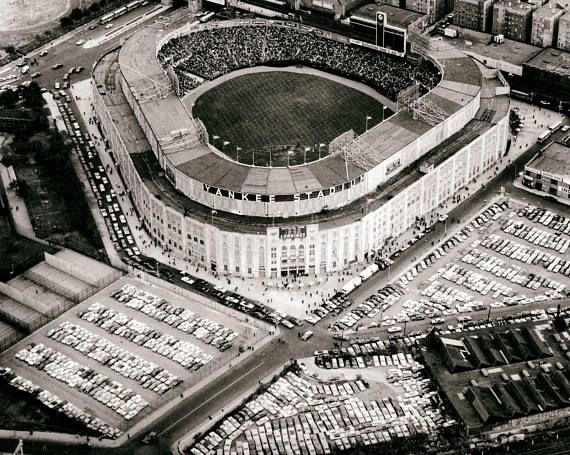
There is a moment, just before the lights go out and the stadium ignites, when you can feel it.
The tension. The faith. The hunger.
It isn’t just adrenaline. It’s memory. Legacy. Desire.
It’s the invisible gravity of a million prayers and bets colliding midair.
Because cities don’t just host sports.
They become them.
Look closely. You’ll see it in the suited man checking scores between mergers. In the cabbie arguing draft picks like gospel. In the grandmother muting Sunday mass just long enough to catch fourth and goal.
Even the ones who say they don’t care?
They care.
The moment their team inches toward the playoffs, they’re all in.
Because people don’t just bet on games.
They bet on hope.
On the dream that something, anything, might finally go right.
Sports, at their core, are not about athletics. They’re about identity. They’re the most unifying form of chaos ever engineered. In the grand theater of a city, its noise, its traffic, its aching silences, sports become the last sacred language we all still speak.
What else makes strangers hug in the street without apology?
What else resurrects neighborhoods steeped in loss?
What else lifts a city to its feet after years on its knees?
Teams are not just emblems.
They’re alter egos.
Cities adopt them like myth, retelling their wins and losses like scripture. They raise children in bleachers. Teach belief not from pulpits, but from overtime. The kind of belief that whispers: “We might still win this,” even when life offers no such proof.
And even if the belief is an illusion, carefully packaged in media deals and overpriced jerseys, on game day, that illusion saves people.
Because it makes them feel like they belong.
Because sports are not just what a city watches.
They are what a city feels.
They are the heartbeat beneath neon signs and broken sidewalks. They are the rhythm in the riot, the chant in the quiet. They are how a city mourns, how it remembers, how it forgives.
When a game is good, really good, when a last-second shot lands or a no-name player becomes legend, the city doesn’t just erupt.
It ascends.
It becomes one body, pulsing with disbelief and joy.
That’s the magic. The addiction. The reason people bet their money, their moods, their Mondays.
Because for one night, one play, one miracle, everything feels possible again.
No, sports don’t solve poverty. They don’t end injustice.
But they fill the cracks with light.
They give people something to point to and say:
“That, that, we did together.”
And sometimes, that’s enough to keep a city from falling apart.
We all want to believe.
Not just in victory, but in belonging. In sitting next to a stranger and feeling like family. In having a reason to call our fathers, to forgive our brothers, to remember joy.
Because life is hard. Politics are cruel. Rent is due again.
But belief?
Belief is free.
And sports, at their best, make belief contagious.
They teach a city how to lose with grace.
How to rise with grit.
How to stay when it hurts.
You can tell everything about a city by how it treats its losing seasons.
Some abandon. Some build. Some boo.
But the best?
The best still show up.
They wear the colors. They raise their children in the myth.
They believe anyway.
And that belief becomes the marrow of the city.
The story it tells when all else fades.
So when a team finally wins after years of loss, it doesn’t just lift a trophy.
It lifts the old man who never gave up.
The son who missed every birthday but never missed a game.
The kid who only had a ball and a dream.
In that moment, parade or not, champagne or rain, the city becomes holy.
Because cities are not built on concrete.
They are built on memory.
And sports?
Sports are the heartbeat that keeps the memory alive.
So yes, cities bleed. They fall. They change names and skylines.
But one thing never changes:
The roar.
The rhythm.
The shared breath of belief.
That’s what sports do.
They remind a city it still has a soul.


 Champagne Confessions
Leave a comment